
6 Advantages of Chimney Sweeping
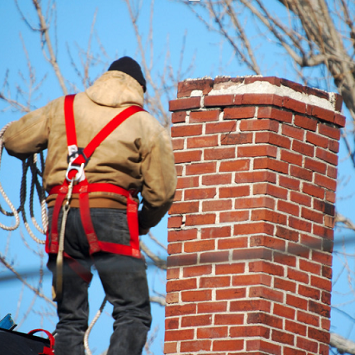
If your knowledge of chimney sweeps primarily comes from “Mary Poppins” or depictions of the industrial revolution, you could be forgiven for thinking that chimney sweeping is simply a relic of a past time, no longer necessary in the modern world.
You would, however, be wrong.
Chimney sweeps very much exist and, if you have a working chimney, chimney sweeping isn’t optional. It is necessary both for the effective use of the fireplace and your own safety.
There are several advantages of getting your chimney swept regularly.
1. Preventing Chimney Fires
“Clean chimneys don’t catch fire.”
That is one of the first lines from FEMA’s page on how to prevent chimney fires.
The purpose of a chimney is to safely remove the byproducts of the fire burning in the fireplace or stove from the house. Unfortunately, not all of those particles make it completely out of the chimney. Some unburned wood particles settle on the chimney walls. Condensation also occurs with some of the gases produced by the fire when they go up the comparatively cooler chimney.
The mixture of these materials is called Creosote. Creosote may be black or brown, sticky or hard, crusty or shiny. However it looks, however, one thing doesn’t change: it is highly combustible.
If enough creosote builds up, and the flue temperature gets hot enough, it could start a chimney fire, which poses a threat not just to the chimney, but your entire home and everyone inside.

2. Keep Smoke, and Carbon Monoxide, Out of Your House
The entire purpose of the chimney is to remove the gaseous byproducts of whatever fuel is burning, be it wood, or coal or gas, from the house.
That is difficult to do if the chimney is clogged or if the opening too narrowed by anything from creosote to birds nests.
If this happens, gases such as smoke and dangerous carbon monoxide can instead backup into your house.
Removing these items by having your chimney swept regularly keeps it free from obstructions and operating correctly.
3. Increase the Heating Efficiency
Giving the smoke and other gases a clear path to escape the house isn’t just good for your health, however. It is also good for the fire.
Fire relies on the draft carrying the smoke up and replacing it with fresh air to operate at peak efficiency. If a draft is too weak, it could make it difficult to even keep a fire lit. Proper chimney sweeping can maintain the needed draft and keep the fire burning efficiently.
4. Removing Bad Smells
When something has a sharp pungent smell it often gets compared to mothballs. Care to guess how the smell of creosote is described?
It is difficult to derive much enjoyment from a fireplace or stove if just getting near it makes you want to hold your hose.
Keeping your chimney clean can keep the acrid smells at bay.
5. Lengthen the Life of Your Chimney Flue
Creosote, like most byproducts of fire, is acidic. That means that it can corrode chimney walls, causing damage if not properly cleaned.
If you leave the creosote on the chimney too long, your fireplace maintenance is going to be much more expensive than simple sweeping.
6. Reveal Problems early
Spotting chimney problems before they get serious is difficult if the inside of the chimney is coated with grime.
Having your chimney swept before an inspection is a must. Otherwise the inspector might miss a problem through no fault of their own but simply because the grime made it impossible to see the cracks or other signs of deterioration.
Contact Alliance Inc. for Your Chimney Sweeping or Repair Needs
Alliance Inc. has experience working on all sorts of chimney maintenance, from installing fireplaces to sweeping, to repair and replacement of the brickwork. To find our more about our chimney sweeping services, contact us today.