
How Does Hydrostatic Pressure Affect My Foundation?
What is one of the leading causes of basement damage that you may have never heard of? Hydrostatic pressure.

What is hydrostatic pressure?
The term hydrostatic means “relating to or denoting the equilibrium of liquids and the pressure exerted by a liquid at rest.” Fun fact: The concept of hydrostatic pressure, a fluid property, was first described by French mathematician and philosopher Blaise Pascal in 1647.
In today’s residential context, hydrostatic pressure occurs when the soil surrounding the home’s foundation becomes saturated with water that cannot drain away.
Concrete, though solid, is porous, allowing water to permeate through its microscopic pores.
When this water comes into contact with a home’s foundation, it evenly distributes the load pressure across the foundation. Then, the underground water table begins to rise.
If it isn’t relieved, it will start pushing against the foundation walls. In rainy months, the soil becomes oversaturated. When it dries out, an instant change in pressure starts to crack and bow the foundation walls.
How Can It Affect My Foundation Walls?
Hydrostatic pressure can cause foundation damage, resulting in cracks in the foundation, and may lead to a wall leaking, bowing inward, or developing cracks. This results in rising dampness (and musty odors) across the foundation walls. Eventually, this results in mildew, mold, and algae forming across the corners, walls, and floor of the foundation.
The most noticeable sign on your foundation is water in the basement without visible cracks.
How Can I Repair Damage?
There are many foundation repair options for your home, which is why it’s best to call a professional who can help determine the best option. Here are some standard solutions used to repair or prevent hydrostatic pressure damage:
- Install an interior waterproofing system
- Remove water that accumulates around the footing and foundation
- Ensure the ground surrounding your home is sloped away from the building
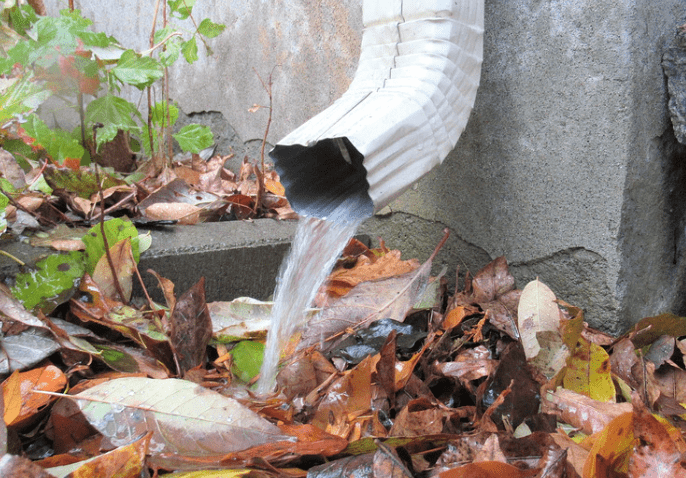
- Gutters and downspouts should discharge stormwater well away from the foundation
- Install a footing tile (usually clay or perforated plastic pipe) that collects the water and channels it to a sump pit, and then a sump pump can discharge further
- Anchors and beams can be installed around the walls
Even the greatest foundation can suffer from water damage. As your Duluth-area concrete and foundation repair experts, Alliance Inc. is here to help secure your home’s foundation for the future. Call us at 218-591-8039 to speak with one of our experts and schedule a free estimate!